To enhance your browsing experience on our website, we utilize cookies. For more detailed information regarding our use of cookies, kindly refer to our privacy policy.
To enhance your browsing experience on our website, we utilize cookies. For more detailed information regarding our use of cookies, kindly refer to our privacy policy.


Posted On 2026-10-29
Author Hitesh Kothari
A good MIS report format for an MD has 10 monthly reports: a one-page KPI dashboard, P&L versus budget, balance sheet ratios, cash flow, receivables, payables, inventory, sales and margin analysis, cost variance, and a compliance and debt tracker. Keep it short at the top, detailed underneath, and delivered by the 7th to 10th of the month.
Many MIS packs are a trial balance in a nicer font. They are long, late and silent on what to do. The MD flips to the last page, checks the profit, and closes it.
The fix is not more data. It is a fixed format that answers the same few questions every month: Did we make money? Where is the cash? Who owes us? What changed? What do we do next? There is no single statutory format for MIS, so the structure below is a practical standard you can adapt.
We group the ten reports into four blocks so the MD can read in the same order every month: Plan, Cash, Customers, Control.
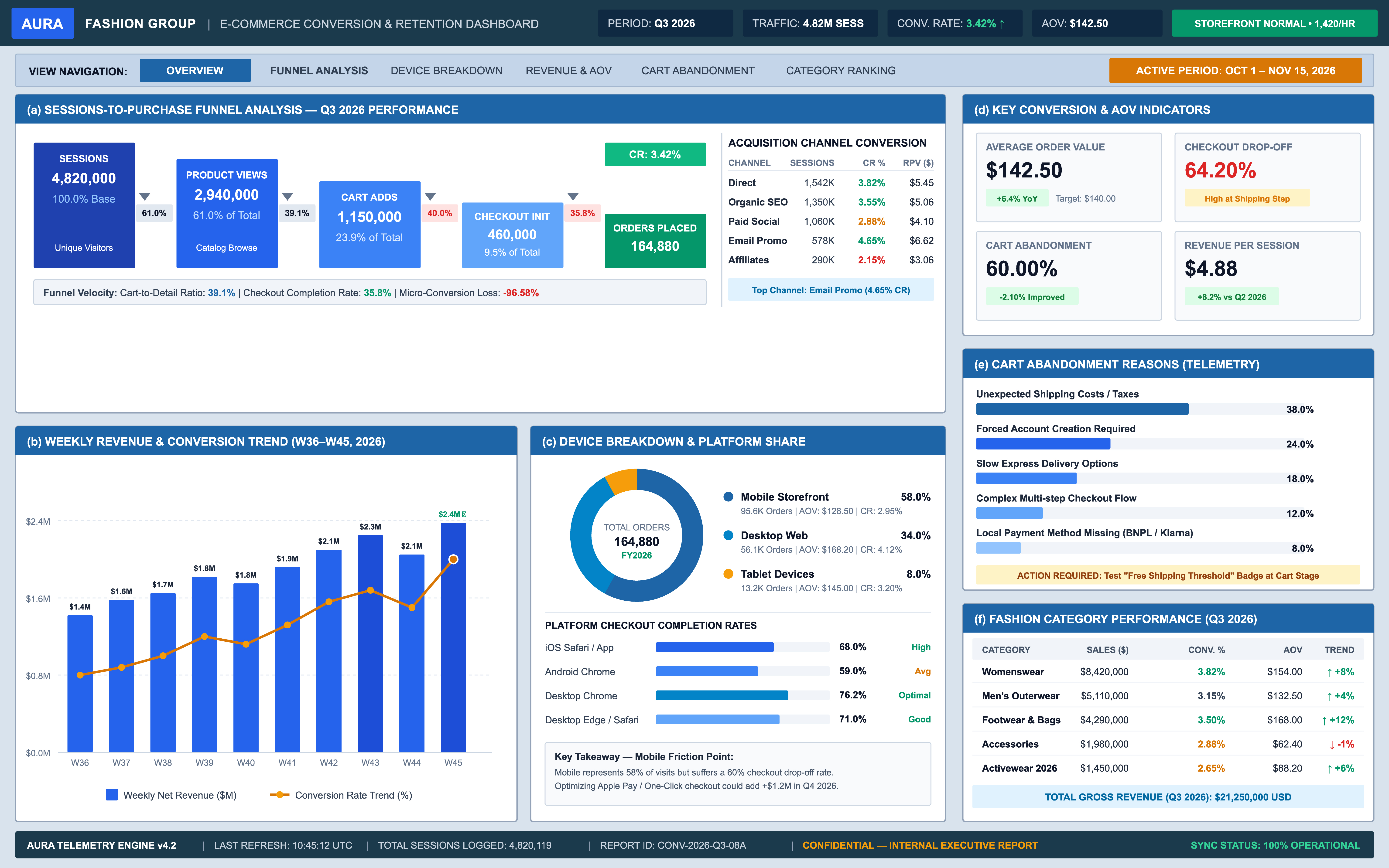
Revenue, gross margin, EBITDA, net cash, receivable days, inventory days, payable days, bank limit utilisation and three red-amber-green flags. If it needs more than one page, it is not a dashboard.
Show variance in rupees and percentage, with a one-line reason for every variance above your threshold, for example 5%. Include EBITDA separately.
Current ratio, debt-equity and interest cover. Trends matter more than a single month.
Operating, investing and financing cash flows for the month, plus expected receipts and payments for the next 13 weeks.
Buckets such as 0-30, 31-60, 61-90 and 90+ days, by customer. Highlight top 10 overdue accounts and any credit limit breaches.
Keep a separate view for micro and small enterprise vendors. Payments to them are due within 15 days, or up to 45 days if agreed in writing, and anything still overdue at year-end can’t be deducted for tax until you pay it. Read our MSME 45-day payment rule guide for the latest position.
Raw material, WIP and finished goods by age, with slow-moving and obsolete stock flagged.
Top and bottom contributors by contribution margin, not just revenue. See the CFI definition of contribution margin.
Spend by department against budget, with a short note for any line above threshold.
Compliance and lending: GST, TDS and PF/ESI status, upcoming statutory due dates, bank limit utilisation, loan repayments due and covenant test results.
If the books close late, the MIS arrives late. That is usually a process and systems problem, and sometimes an ERP one. Our ERP implementation and transformation team helps when the data itself is the bottleneck.
No budget column, so nothing can be judged.
Variances without reasons or owners.
Cash missing from the pack.
Different numbers in MIS and in the bank submission.
No decision log, so the same issues appear every month.
Our case study, from margin leakage to growth through an MIS transformation, shows how this works in practice. A structured pack catches leaks early, and better decisions follow. Our financial planning and analysis and virtual CFO teams build and run this pack for growing companies. Many business finance consulting firms hand over a template and walk away. What changes outcomes is a pack that’s reviewed with the MD every month.
There is no single statutory format. A practical monthly MIS report includes a KPI dashboard, P&L versus budget, balance sheet ratios, cash flow, receivables, payables, inventory, margin analysis, cost variance and a compliance tracker.
Financial performance, cash position, working capital, profitability by product and customer, cost control and compliance status.
MIS is an internal monthly report built to help management make decisions. Statutory financial statements are prepared once a year, audited and drawn up to meet disclosure rules.
Ideally by the 7th to 10th working day after month end, so the review happens while the numbers are still relevant.
Revenue growth, gross margin, EBITDA, net cash, receivable days, inventory days, payable days and bank limit utilisation.


Answer a few questions and get matched with experts who’ve helped 500+ businesses like yours.
CEO Description
Here's a curated list of finance leaders for your industry and company size.
Finding your perfect CFO partners...


Our talented team will reach you out shortly.
Let's talk! Book your free consultation today


 India
 USA
 UAE